
What insulation removal costs, and when you actually need it
Most attics do not need the old material out. Here are the four conditions that force it, and what sets the price when they do.
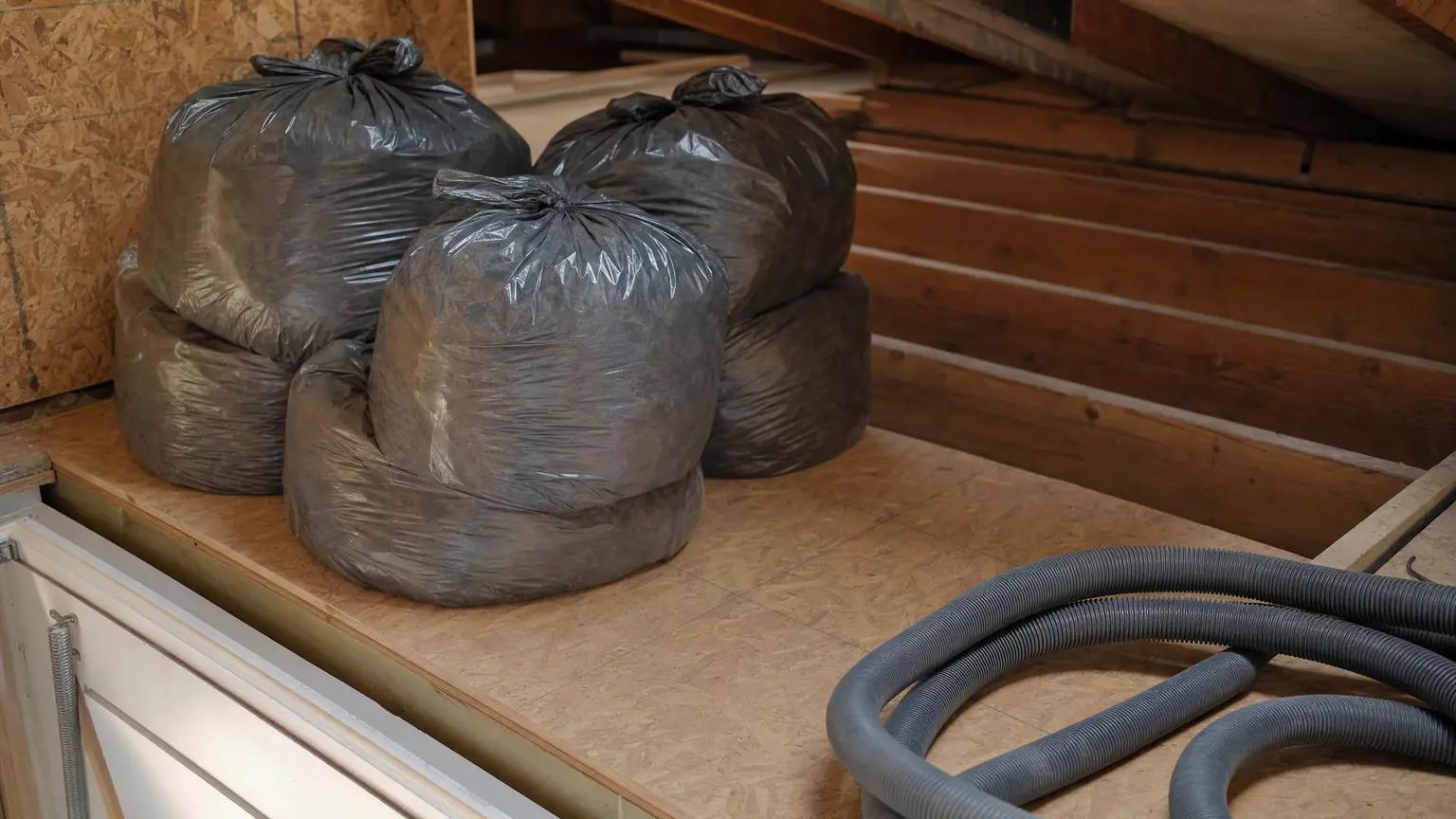
Start here: you probably do not need this
Insulation that is dry, loose, and free of contamination can be topped. New material goes straight over the old, the R-values add up, and you pay for one job instead of two.
A contractor who tells you every attic needs a full tear-out first is selling you a line item. Ask which of the four conditions below applies to yours, and ask them to show you.
The four conditions that force a removal
Water. Wet insulation does not dry out in a Florida attic; it stays wet, loses most of its R-value, and feeds mold. Anything under an active or repaired roof leak comes out.
Rodents. Droppings and urine contaminate the material and the smell does not leave. This is the most common reason we remove in Brevard.
Compaction. Insulation works by trapping air. Material that has been walked on, stored on, or has simply settled over thirty years has lost the air and most of the R-value with it. Adding depth on top of a compacted layer does not recover it.
Smoke or a prior fire. Same reasoning as rodents. The contamination is in the material.
The one exception that is not a removal job
No. Vermiculite, a loose pebble-like insulation installed in a lot of pre-1990s attics, can contain asbestos, and disturbing suspected asbestos-containing material is licensed abatement work, not something this business performs.
If we see it during an inspection, we stop, tell you what we saw, and point you to a licensed asbestos contractor for testing. The vac-out picks back up only once that question is settled.
What sets the number when it does apply
Attic square footage, the depth of what is up there, the type of material, and access.
Access is the one people underestimate. A vacuum hose has to reach every part of the attic and the debris has to come out through your house or through a gable. A low-clearance attic with a single scuttle in a hall closet is a slower job than a walk-in attic with a gable vent, at identical square footage.
Material matters too. Loose-fill blown material vacuums out. Batts have to be pulled, bagged and carried.
The rebate note worth knowing before you start
If you are removing because the existing material has failed, you may be closer to the FPL rebate than you think.
Florida Power & Light's ceiling insulation rebate requires a verified existing ceiling R-value below R-8. A compacted or contaminated attic is often already under that threshold. The rebate has other conditions and a contractor requirement, all covered in the rebate guide.
Sources
Every figure on this page comes from one of the documents above. Where we could not find a primary source for a number, we left the number out rather than repeat one we could not show you.
Sources verified .
Want your actual number instead of a range?
We measure your attic, tell you the R-value you are starting from, and write the quote in front of you. Free, and you keep the reading either way.