- How long does attic insulation last?
+
- Fiberglass itself does not really wear out. What ends its useful life is everything that happens around it: settling that costs you depth, a roof leak, rodents, or a renovation that leaves it disturbed and uneven. In a Florida attic, twenty to thirty years is a fair window before most homes want a top-up, and any water or pest event resets that clock to now.→The full answer: how long attic insulation lasts, and how to tell when yours is done
- What does attic insulation cost?
+
- It is driven by four things: the square footage of your attic, the R-value you are going to, whether the old material has to come out first, and how hard the space is to move around in. A low-clearance attic with ductwork in the way is a different day of work than an open one. We do not publish a rate card because the honest number depends on those four, and we would rather measure your attic than quote you a range that turns out to be wrong. The on-site quote is free and written in front of you.→The full answer: what attic insulation costs in Brevard County
- How much insulation should a Florida attic have?
+
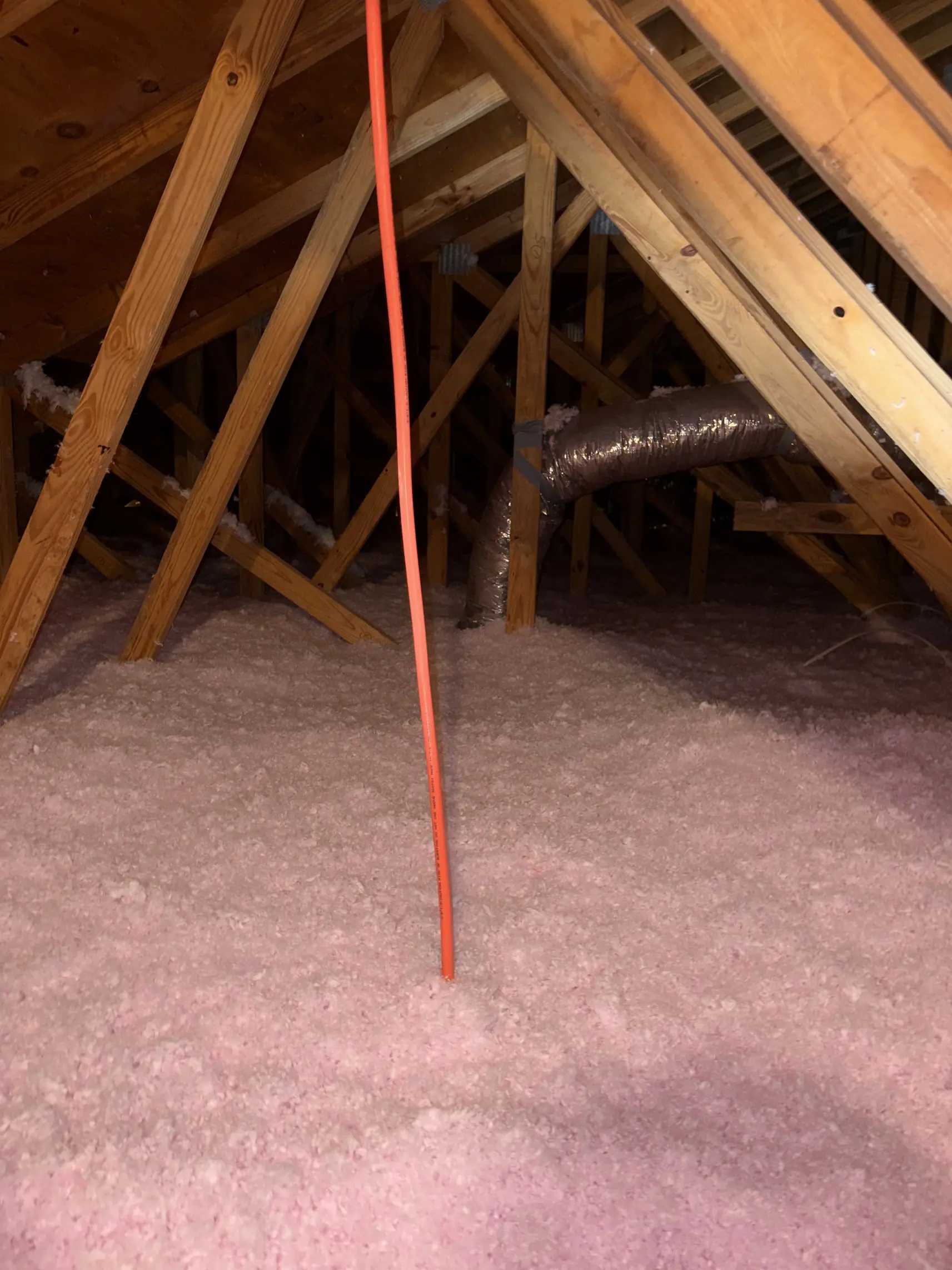
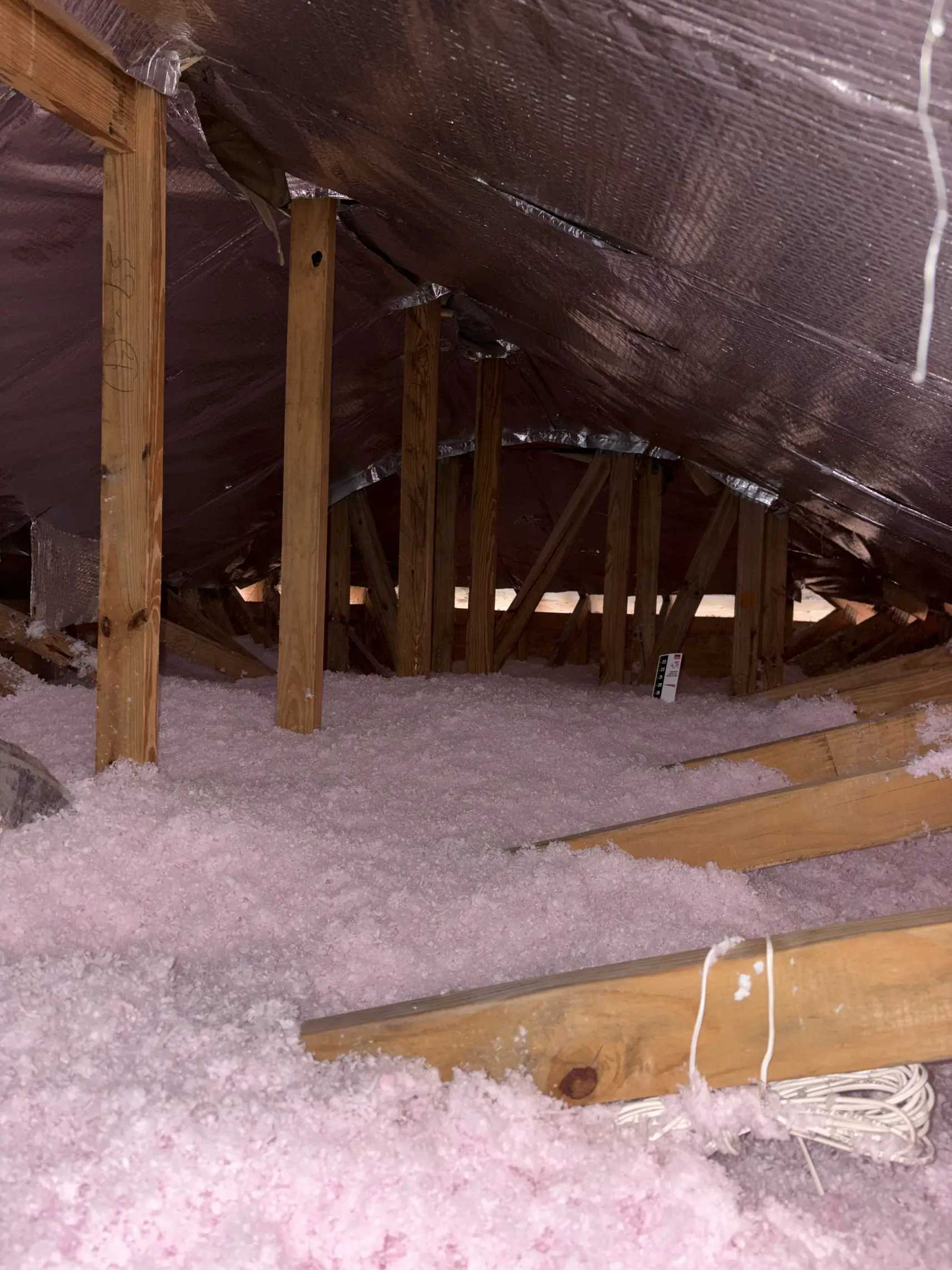
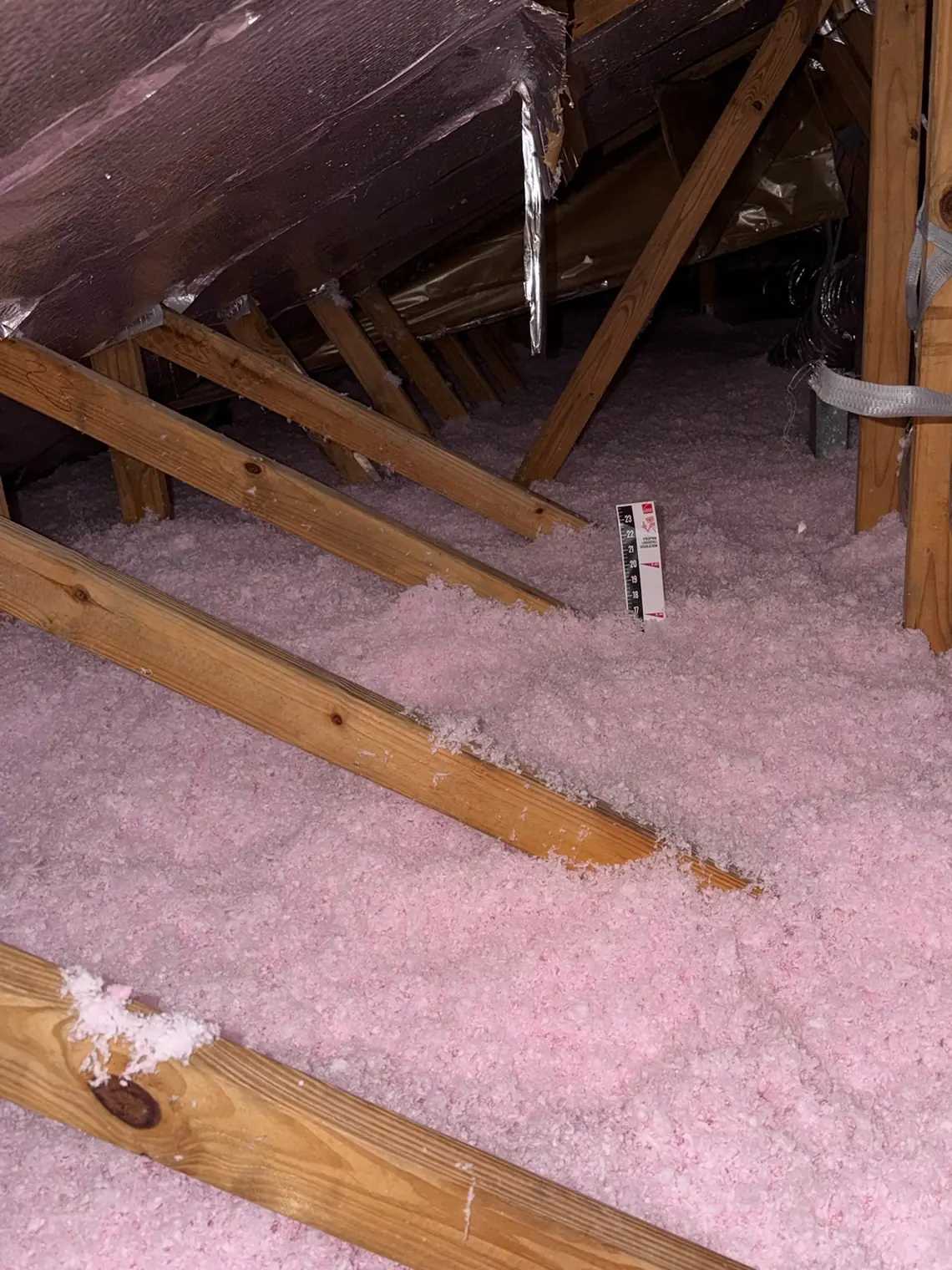
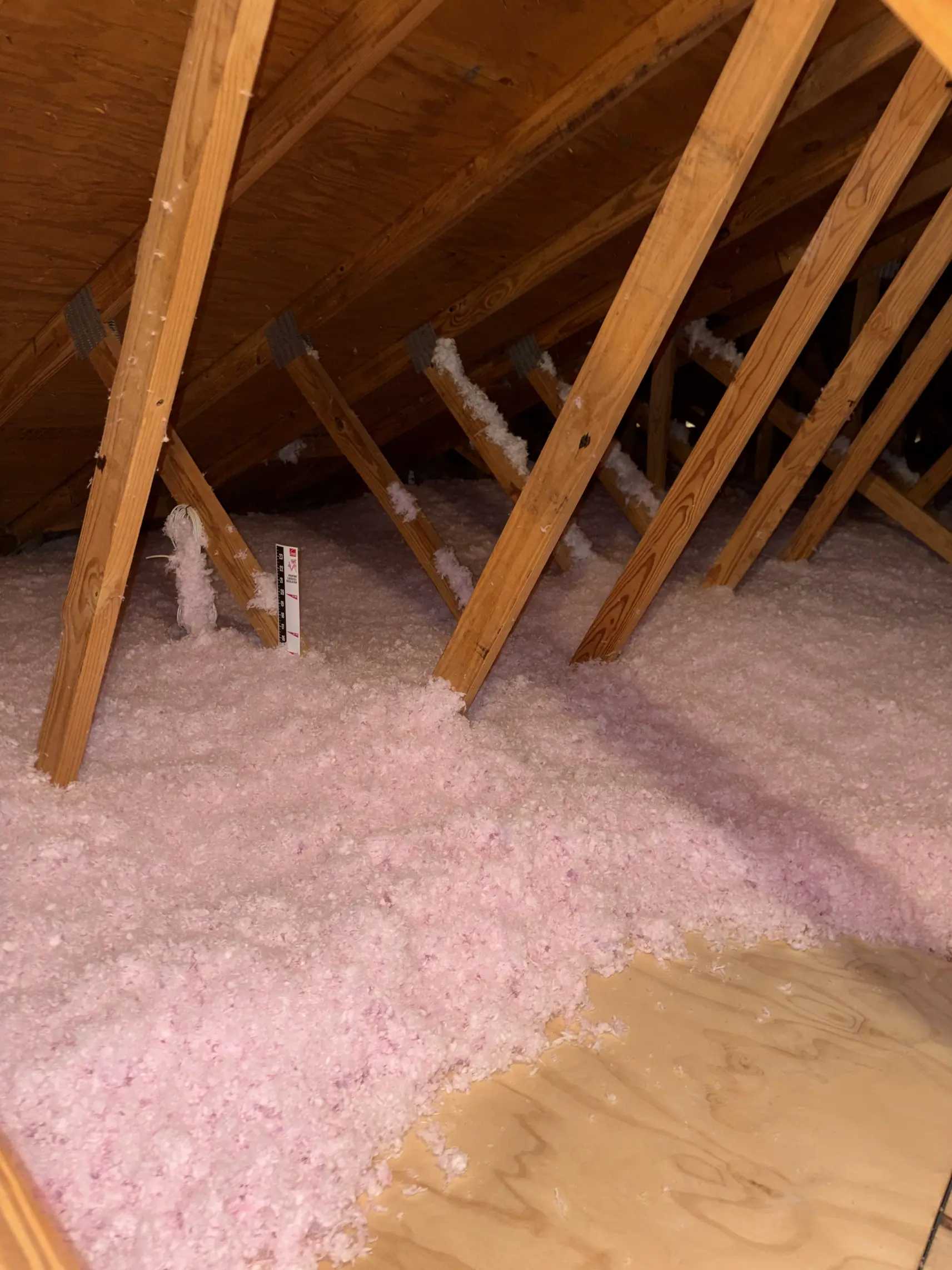
- Florida's current ceiling minimum is R-30, and the Department of Energy's recommended range for attics in this climate runs from R-30 up to R-60. Most Brevard homes built before 2000 measure well under that today, partly because they were built to an older code and partly because loose material settles over time.
- Can you add new insulation on top of what is already there?
+
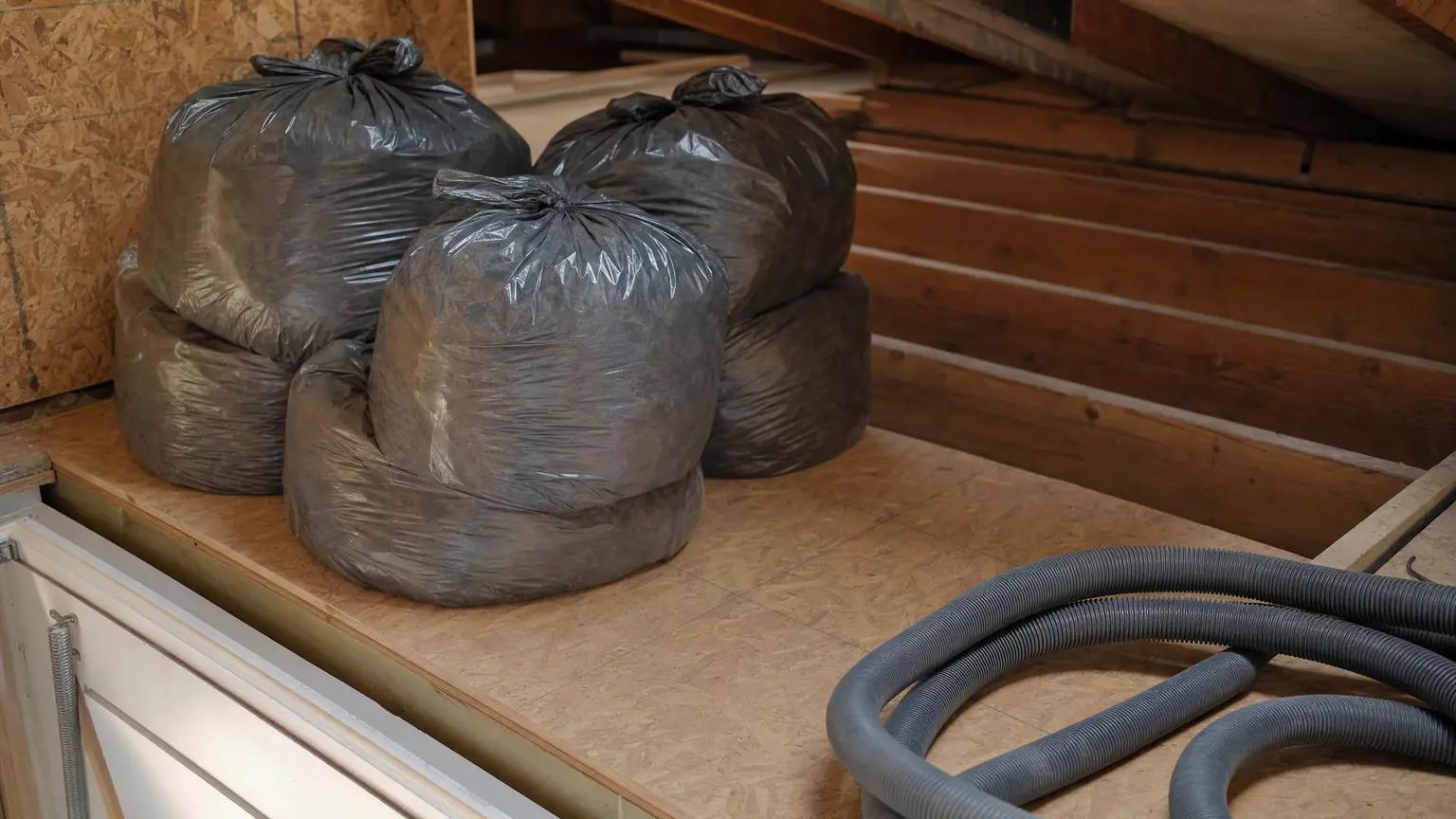
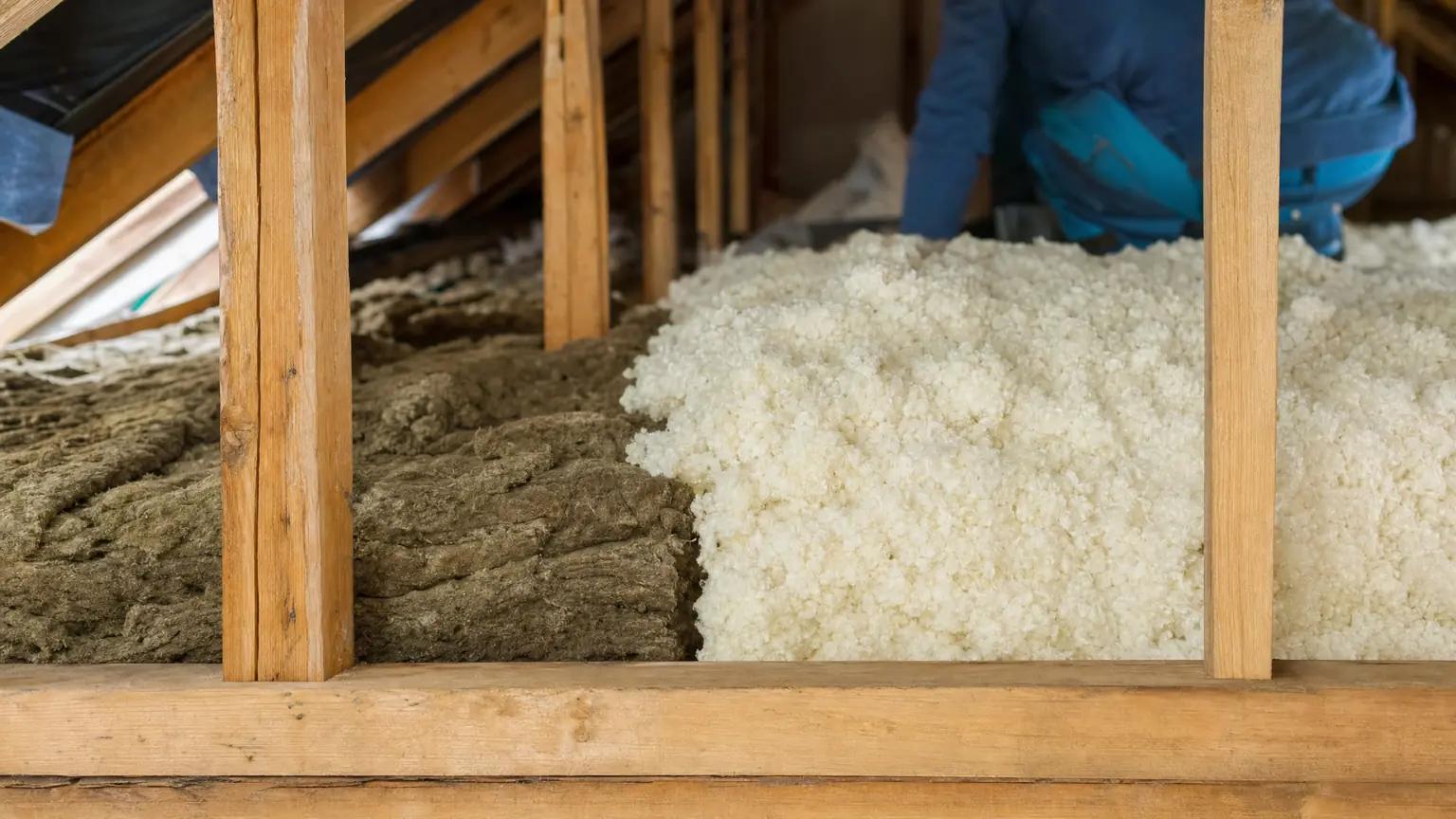
- Usually yes, and it is normally the right call. Topping up is faster and cheaper than removing first. The exception is material that is wet, moldy, smoke-damaged, or rodent-soiled. Adding clean insulation on top of contaminated insulation traps the problem instead of fixing it, so that attic needs a vac-out first.
- How long does a blown-in job take?
+
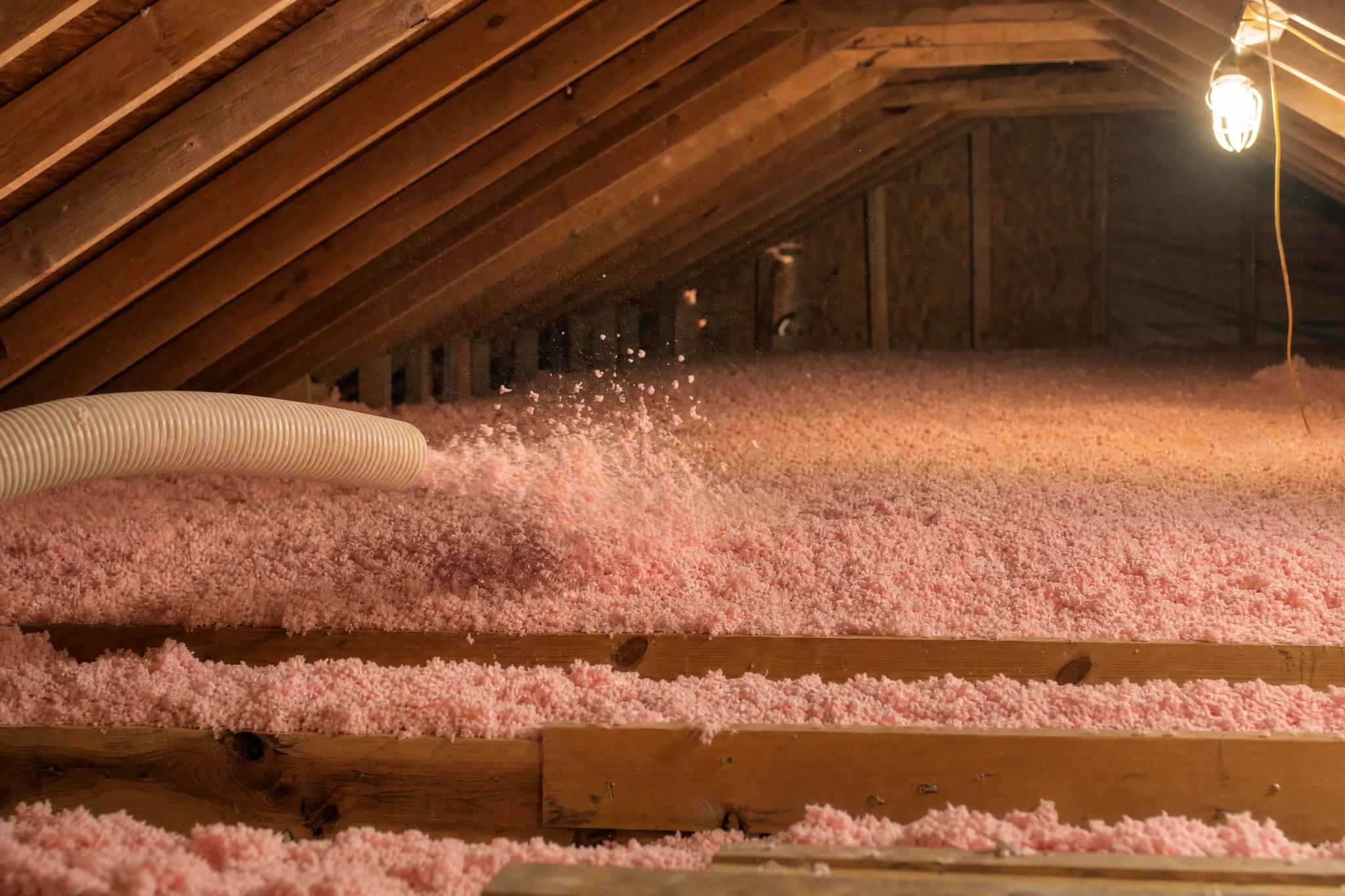
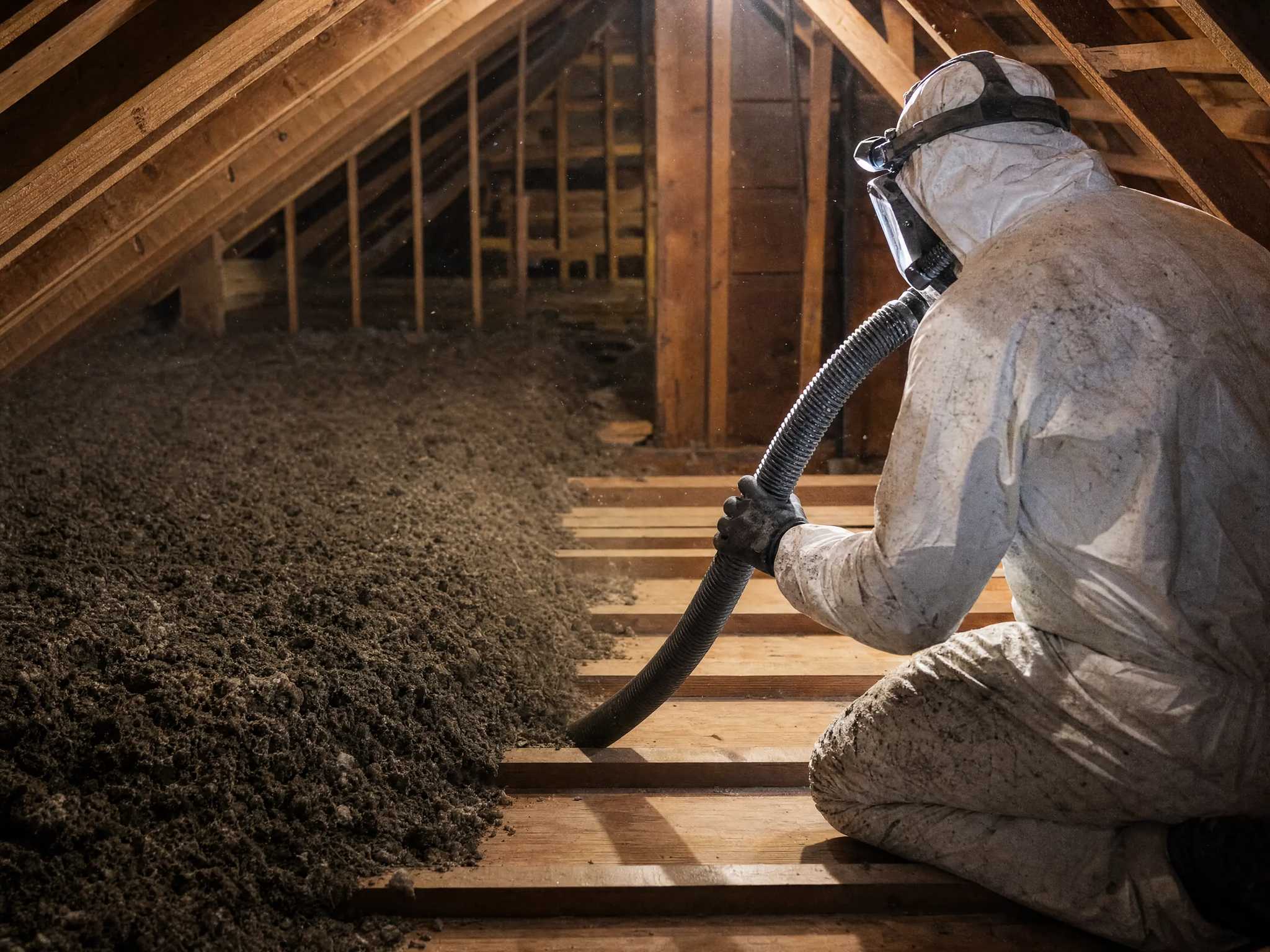
- Most single-story Brevard homes are a same-day job. Larger or cut-up attics, and anything that needs a removal first, can run into a second day. We give you the honest number at the on-site quote rather than after we have started.
- Will this actually lower my power bill?
+
- It lowers the load on your AC, which is the part we control. How much that shows up on the bill depends on your equipment, your thermostat habits, and what the summer does. We will not put a percentage on your specific house that we cannot stand behind. Savings vary. Find out why in the seller's fact sheet on R-values. Higher R-values mean greater insulating power.
- Does blown-in fiberglass settle?
+
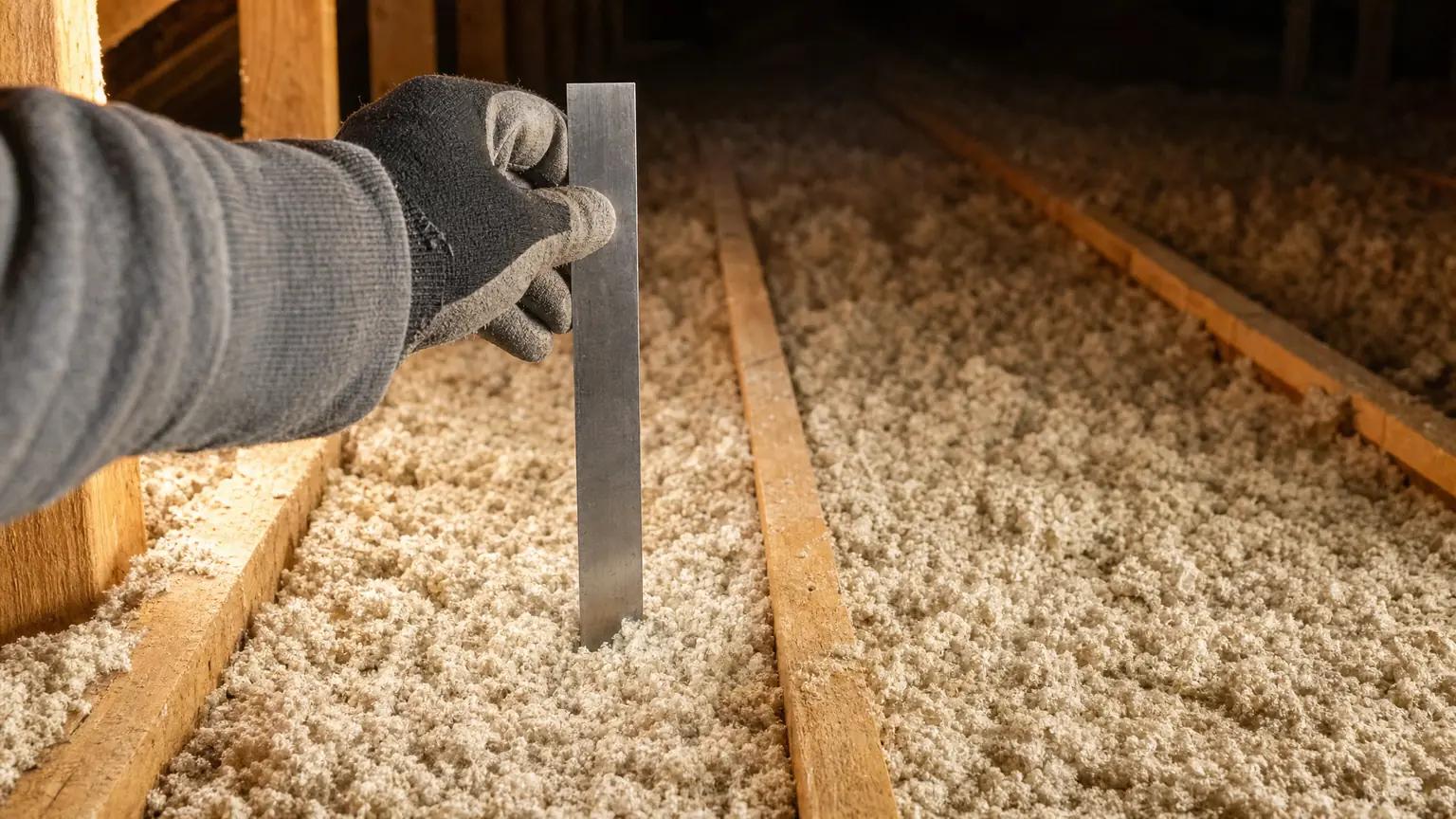
- Not the way cellulose does. Owens Corning specifies the same depth installed and settled for the loosefill we blow, so what you measure on day one is what you keep. The number that decides your R-value is the bag count, not the depth alone, and it goes on your receipt. Fiberglass also does not absorb water or feed mold if a roof leak ever finds it.
- Is it safe to have in the house?
+
- Modern blown fiberglass is non-combustible, mold and mildew resistant, and odor-free. It sits on the attic floor above your ceiling, sealed off from living space, and nothing about a normal install puts material into the rooms below.
- Do you install spray foam insulation?
+
- No. We install blown-in and batt fiberglass, and that is all we take on. Spray foam is a different trade with different equipment and different handling rules, and we would rather send you to someone who does it every day than learn it on your attic. If you already have spray foam up there and you are asking about adding fiberglass on the attic floor, that is a conversation worth having on site. We do not touch the existing foam.