- Do I need an attic fan, or better ventilation?
+
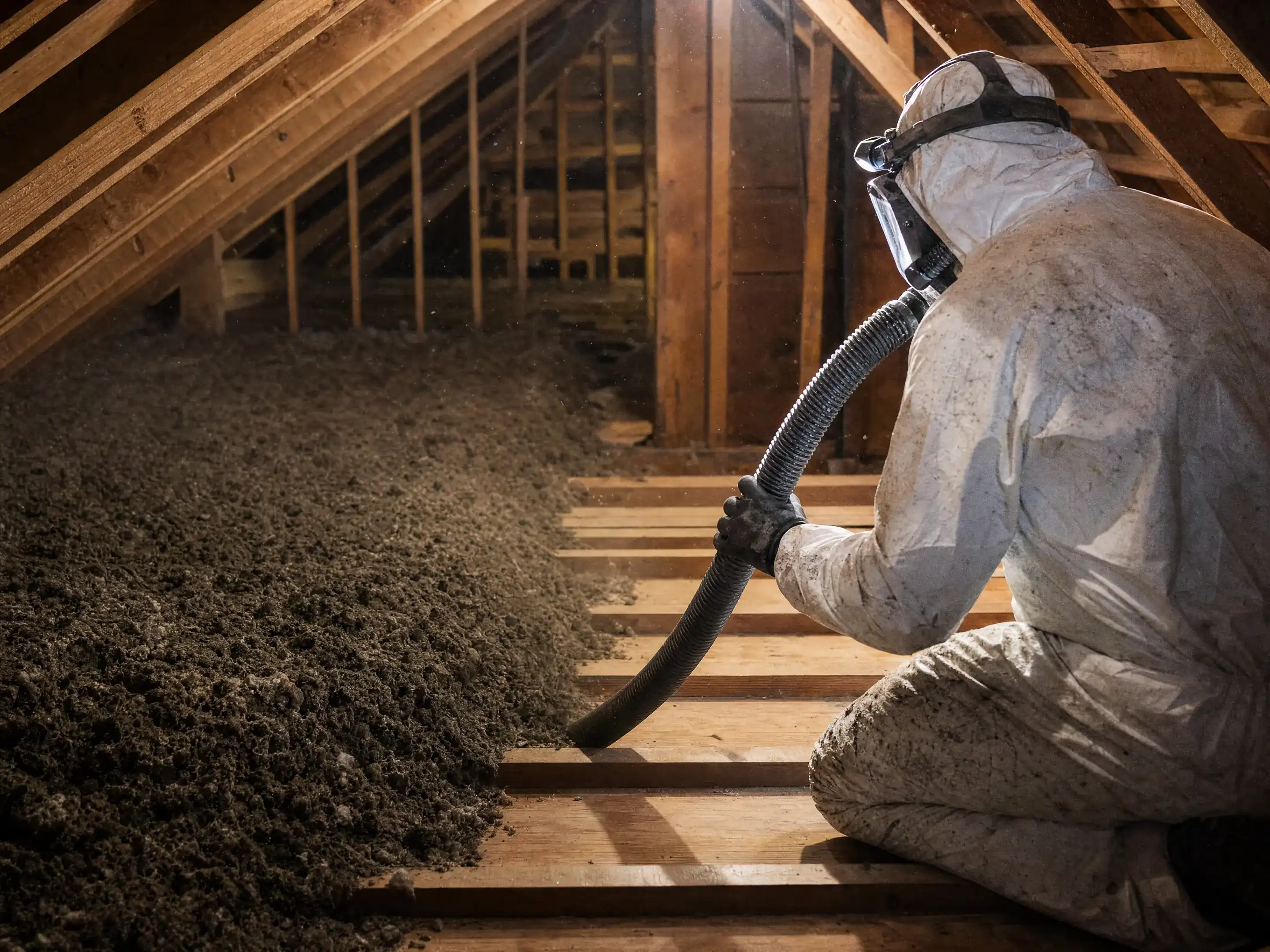
- Often the second one. If the soffit intake is blocked, adding exhaust does very little and can make things worse by pulling air from inside the house. Clearing intake and getting baffles in is cheaper than a fan and has to happen first either way.
- How hot does a Brevard attic get?
+
- Hot enough that it is the dominant load on your air conditioner for most of the year. The exact number varies with roof color, pitch, and time of day, but the useful way to think about it is the gap: the difference between attic air and room air is what your ceiling insulation has to hold back every afternoon.
- Will ventilation lower my power bill by itself?
+
- It helps, and it is not the biggest lever. Ceiling insulation depth is. Ventilation reduces how much heat accumulates above the insulation and how long it lingers, which matters most in the evening. If you only do one thing, measure your insulation depth first.
- The manufacturer's site says 16%. What should I actually expect?
+
- Two different numbers, measured in two different places, and the difference matters. iSolar publishes a field test where air conditioners ran 16% fewer hours during the peak window and 10% fewer overall. That test ran in southern Ontario over the summer of 2024, third-party verified, on a Canadian heating-climate housing stock. We are not going to hand you a Canadian number for a Brevard roof. The Florida figure we would point at instead is the Florida Solar Energy Center's, which measured roughly 6% space cooling reduction from photovoltaic attic fans on a well insulated Central Florida home and called the cooling-season impact fairly modest. A fan is a real lever here. It is the second one, after ceiling insulation depth.
- Does a solar fan need a permit in Brevard County?
+
- Permit requirements for roof-mounted equipment are set by Brevard County and vary by the specific install. We confirm the requirement for your roof before any work is scheduled rather than after.